






Navigating Debt Consolidation When Your Credit Score is Stalling
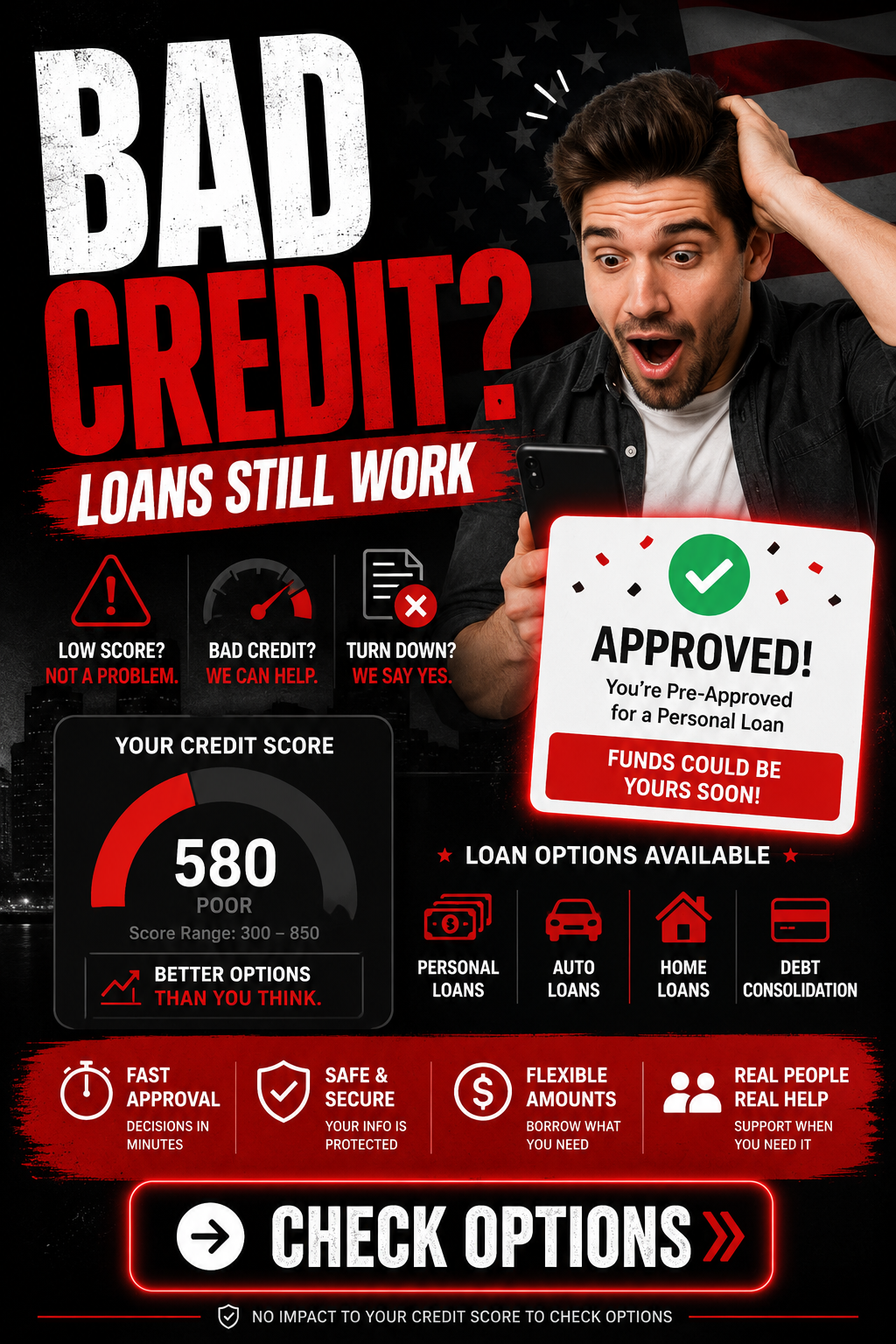
How do you get a consolidation loan with horrible credit?
If you’re sitting in a Lexington living room staring at a pile of high-interest credit card statements, you probably feel like every door to traditional lending has just slammed shut. You know the drill. You check your score, see that sub-580 number, and realize most big-name banks won’t even let you past the digital lobby. It’s a classic Catch-22: you need a loan to fix your debt, but you can’t get a loan because you already have debt.
The truth is, “bad credit” isn’t a permanent death sentence, but it does change the math. You aren’t going to walk into a local branch and get a low-interest personal loan overnight. Instead, you have to look at the tools actually meant for people in your position. There’s a massive difference between a high-interest predatory loan and a legitimate strategy to lower your monthly burden.
We see this all the time. People think they have to choose between bankruptcy or staying stuck in a cycle of minimum payments. That’s not true. There are ways to consolidate, but you have to be picky about which path you take. Some paths help you fix the damage, while others just move the debt from one expensive bucket to another.
The Reality of Low Credit Options in Kentucky
When your credit is in the basement, you generally have two main avenues: a debt consolidation loan or debt management. A loan is just a new piece of debt you take out to pay off the old ones. A debt management plan is a structured way to deal with existing creditors without necessarily taking on a new loan. This is where most people trip up.
If you go the loan route, you’re looking at lenders that specialize in high-risk profiles. These lenders care more about your income and your job stability than your FICO score. They see you as a risk, so they charge you for it. You might find a loan, but the interest rate might still be high enough that you aren’t actually saving much money. It’s a math problem that requires a calculator, not a prayer.
On the other hand, there are non-profit options that don’t require a “new” loan. For Kentucky residents, nonprofit credit counseling like Consumer Credit Counseling Service can negotiate lower rates and one monthly payment. This is a different mechanism entirely. They aren’t lending you money; they are acting as an intermediary to change the terms of what you already owe. It’s a distinction that matters if you’re trying to avoid a downward spiral.
Many people in the Bluegrass region look for debt consolidation loans in Lexington thinking it’s the only way out. While a loan can work, you must check the APR against your current rates. If your credit cards are at 24% and a consolidation loan is at 28%, you’re making a mistake. You’re paying more to solve a problem that was already expensive.
Comparing the Two Main Paths
| Feature | Consolidation Loan | Debt Management Plan (DMP) |
|---|---|---|
| Primary Goal | Replace multiple debts with one new loan | Lower interest rates on existing debts |
| Credit Impact | May bump score slightly due to new inquiry | May temporarily dip score during repayment |
| Requirement | Proof of steady income and employment | Willingness to close certain credit lines |
| Complexity | Simple: one payment, one lender | Higher: managed through a counseling agency |
The choice depends on your discipline. If you get a loan but keep using the credit cards you just paid off, you’ll end up with double the debt. This is how people end up in a worse position than when they started. It’s an easy trap to fall into when you see those zero balances on your old cards.
If you’ve struggled with overspending before, the debt management route is often safer. It forces discipline because the agency often requires you to stop using the cards you are paying off. It’s a “tough love” approach, but it actually works for people who need a hard reset.
The Cost of Bad Credit and Hidden Risks
Let’s look at the numbers. People often ask, “How much will I pay monthly on a $50,000 debt consolidation loan?” The answer depends entirely on the term and the interest rate. If you manage to snag a 12% rate on a five-year term, you’re looking at roughly $1,100 a month. If your credit is so low that you’re stuck at 29%, that same $50,000 will cost you nearly $1,500 a month, and you’ll be paying for much longer.
Predatory lenders are a real threat in the Kentucky market. They target people who are desperate for a quick fix. They might promise “guaranteed approval” or “no credit check,” which are massive red flags. If a lender promises the moon without looking at your history, they are likely going to hit you with massive origination fees or sky-high interest rates that make the consolidation useless.
You also need to watch out for “debt settlement” companies. These aren’t the same as credit counseling. Debt settlement companies often tell you to stop paying your creditors altogether so they can “negotiate” a lump sum. This can destroy your credit score and lead to lawsuits. It’s a high-stakes gamble that often ends with the consumer losing both their money and their credit standing.
Take Mark, a resident from Richmond. He had $15,000 in credit card debt with an average interest rate of 26%. He was struggling to make the minimum payments, which were barely touching the interest. A company promised to “settle” his debt for 50% of what he owed. He stopped making payments to them, as instructed. Six months later, two of his creditors sued him, and his credit score plummeted from 580 to 420. He ended up paying more in legal fees and late penalties than he ever would have in a standard consolidation plan.
Common Red Flags to Watch For
- Upfront Fees: Legitimate debt relief companies are prohibited by law from charging upfront fees before they actually settle or reduce your debt.
- “Guaranteed” Approval: No lender can guarantee an approval without reviewing your financial data. If they say they can, they are lying.
- Requests for Power of Attorney: Be extremely wary of any company that asks for full control over your finances or bank accounts.
- Pressure Tactics: If a representative is pushing you to sign a contract “right now” or “before this offer expires,” hang up.
The Truth About Credit Score Impact
Does going through debt consolidation hurt your credit? It’s a bit nuanced. There is a short-term dip, followed by a potential long-term gain. When you apply for a new loan, the lender performs a “hard pull” on your credit report. This typically knocks a few points off your score temporarily. It’s a minor hiccup in the grand scheme of things, though.
However, how you use the loan matters more. If you use the consolidation loan to pay off all your revolving credit card balances, your “credit utilization” ratio will drop significantly. This is one of the biggest factors in your FICO score. Seeing your utilization drop from 90% to 10% can result in a massive score boost, often enough to offset the initial hit from the hard inquiry.
The danger is the “revolving debt trap.” This is when a person consolidates their debt into a personal loan, but then treats their now-empty credit cards as extra income. Within a year, they have the personal loan payment *and* a new set of credit card balances. This is a fast track to insolvency. To make consolidation work, you have to view those old cards as “closed” even if you don’t officially close the accounts.
For those looking for more vetted options, Best Debt Consolidation Loans For Bad Credit Of 2026 provides a look at lenders that have been reviewed for their legitimacy. Using vetted sources helps ensure you aren’t falling victim to the “debt settlement” scams mentioned earlier. It’s about finding the balance between a lender that is accessible and a lender that is actually helpful.
What Disqualifies You?
Lenders aren’t just looking at your score; they are looking at your whole life on paper. You might find yourself disqualified for several reasons that have nothing to do with your credit score. Understanding these can help you prepare for an application or explain why you might need to go the counseling route instead.
- Debt-to-Income (DTI) Ratio: If your monthly debt payments are too high compared to your gross monthly income, a lender will see you as too risky, regardless of your score.
- Inconsistent Income: If you are a freelancer or have a highly variable income, lenders may struggle to verify your ability to repay.
- Recent Bankruptcy: While not an absolute disqualifier for all types of loans, a bankruptcy from the last 24 months will make finding a traditional consolidation loan nearly impossible.
- Too Many Recent Inquiries: If you have applied for five different loans in the last month, you look like you are in a state of financial crisis.
Practical Steps to Take Today
If you are feeling overwhelmed, the best thing you can do is stop looking at the total number and start looking at the individual pieces. Grab a piece of paper. List every single debt you have. Write down the total balance, the interest rate, and the minimum monthly payment for each. This list is your roadmap. You cannot fight an enemy you haven’t properly identified.
Once you have that list, categorize them. Some debts, like student loans or medical bills, have different rules for negotiation than credit cards. This information is vital when you sit down with a credit counselor. If you decide to call a non-profit agency, have your list ready. They will want to see exactly what you’re dealing with to determine if a Debt Management Plan is your best move.
Don’t wait for a collection agency to call you. Proactive management is always cheaper than reactive management. Once a debt goes to collections, your leverage to negotiate the principal amount disappears. It’s much easier to negotiate a lower interest rate on a debt that is still current than to negotiate a settlement on a debt that is already in default.
Take a breath. Dealing with debt is emotionally draining, but it is a mathematical problem, not a moral failing. Whether you end up with a new loan or a restructured payment plan, the goal is the same: getting back to a place where your income covers your lifestyle without a massive portion going toward interest. It takes time, but it’s doable.
A few things readers ask
How to get a consolidation loan with horrible credit?
Focus on securing a co-signer with better credit or applying through specialized lenders that offer secured loans backed by collateral.
How much will I pay monthly on a $50,000 debt consolidation loan?
Monthly payments vary based on your interest rate and term, but a $50,000 loan at 15% interest over five years would be approximately $1,180 per month.
Does going through debt consolidation hurt my credit?
A hard inquiry from the application may cause a temporary dip, but successfully paying off high-interest debts can significantly improve your score over time.
What disqualifies you from debt consolidation?
Common disqualifiers include having a debt-to-income ratio that is too high, insufficient steady income, or a recent history of bankruptcy.
Can I find debt consolidation options in Lexington, KY?
Yes, Lexington residents can access local credit unions and online lenders that specialize in bad credit consolidation programs.