




Navigating the Modern Pharmacy Maze: From Local Counters to Digital Carts
It’s 11:45 PM on a Tuesday. You’re standing in your kitchen, staring at an empty ibuprofen bottle while a dull ache pulses behind your eyes. You realize you forgot to pick up your prescription after work, and the local pharmacy closed three hours ago. It’s a frustrating, lonely feeling that many of us know all too well.
We often treat the pharmacy like a background character in our lives until a crisis hits. We assume the shelves are always stocked and the pharmacists are always there to answer that one nagging question about a side effect. But the way we get our health products is changing faster than most people realize.
You might find yourself caught between the comfort of a neighborhood shop and the clinical efficiency of a massive retail chain. You might wonder if a smartphone app is worth the risk of a shipping delay. It’s a confusing time to be a consumer of medicine and wellness supplies.
Whether you need a simple bandage or a specialized medical device, the way you find it matters. We’re moving toward a world where the physical pharmacy is just one piece of a much larger, more complex puzzle of care.
The Local Anchor vs. The National Giant
If you live in Seattle, you probably have a mental map of where to go when you need something fast. You might think of the reliable presence of a Walgreens or perhaps a smaller, more intimate setup like Bob Johnson’s Pharmacy, which has a 4.8-star reputation among locals. These neighborhood spots offer something a giant chain often lacks: a face you recognize.
There is a certain peace of mind that comes with walking into a shop where the pharmacist knows your name or at least your history. You can chat for five minutes about a new supplement you saw online, and they can actually look at your profile to see if it clashes with your current meds. That human connection is hard to replicate through a screen.
On the other hand, big-box retailers offer a scale that small shops simply cannot match. In cities like Chicago, you see the dominance of names like Jewel-Osco or the various Walgreens branches appearing in every list of top providers. They have the inventory, the late-night hours, and the infrastructure to handle the massive volume of a metropolitan area.
The choice usually comes down to a trade-off between speed and intimacy. If you need aspirin at midnight, the big chain wins. If you need someone to explain why your dosage feels off, the local expert is your best bet. It’s a balance we all have to strike depending on what we need at that exact moment.
Many people find that a hybrid approach works best. Use the big guys for the routine, everyday stuff, but keep a local shop in your back pocket for when things get personal or complicated. It’s about building a toolkit of options rather than relying on a single source of care.
The Digital Shift in Medical Procurement
The internet has changed how we think about health products. It’s no longer just about walking down the street; it’s about scrolling through a catalog from your couch. For some, this is a liberation; for others, it feels like a gamble with their own wellbeing.
When you’re sourcing supplies for a chronic condition, the stakes are much higher than getting the wrong flavor of vitamin C. You need reliability. You need to know that the item you see on the screen is actually what arrives in the box. This is why specialized distributors have become so important in the supply chain.
For instance, R&M Health Supplies operates as both a manufacturer and a supplier, which simplifies the process of getting pharmacy products. When one platform handles both creation and distribution, it removes a layer of middlemen that can lead to delays or increased costs. It makes the whole process feel much more direct and predictable.
However, online shopping carries its own set of headaches. You might encounter:
- Shipping delays that leave you without essential medication for a few extra days.
- The stress of wondering if a generic brand is actually equivalent to your brand-name prescription.
- The difficulty of returning items that are specialized or meant for one-time use.
- The mental fatigue of managing multiple different online accounts for different health needs.
You might also find yourself navigating the world of Optica-Med when looking for specific medical equipment that doesn’t fit into the standard drugstore category. The more specialized your needs become, the more the “one-stop shop” model starts to fall apart. You end up becoming a logistics manager for your own health, juggling different vendors to ensure you have everything you need for the month ahead.
This complexity can be overwhelming. You want to focus on getting better, not on tracking three different packages through different postal services to make sure your nebulizer and your blood pressure monitor arrive at the same time.
Managing the Stress of Supply Shortages
We’ve all been there: you get to the bottom of the bottle, you head to the pharmacy, and the person behind the counter gives you that sympathetic, apologetic shrug. “We’re out of stock,” they say, and suddenly your routine is thrown into chaos. It’s a stressful experience that can trigger genuine anxiety about your health stability.
Finding medicines on time is becoming a modern struggle. Delays and shortages are more than just inconveniences; they are risks to your well-being if you are managing a sensitive condition. This uncertainty is why many people are turning to specialized online services that focus specifically on the availability of wellness products. They try to fill the gap left by the traditional retail model.
You might wonder if you should be stockpiling or looking for alternative pharmacies. It’s a difficult tightrope. If you over-order, you waste money; if you under-order, you run out. This “just in time” approach to medicine is much harder to manage when the global supply chain is feeling the squeeze from all sides.
I once spoke to a woman who was so worried about her insulin supply that she kept a secondary stash in her freezer, just in case her primary pharmacy ran dry during a snowstorm. It sounds extreme, but when you think about the reality of modern logistics, it isn’t entirely irrational. We are increasingly dependent on a system that is incredibly efficient but also incredibly fragile.
The anxiety of the “out of stock” sign is a real phenomenon. It changes how we view our healthcare providers. Instead of seeing the pharmacy as a service, we start seeing it as a bottleneck. We become more skeptical, more defensive, and more prone to seeking out multiple sources just to feel safe. That shift in mindset is a sign that something in the system is fundamentally unsettled.
The Reality of Medical Supply Shopping
If you watch a video of someone shopping for medical supplies at a place like Walgreens, you see the mundane reality of it. It’s a lot of walking through aisles, comparing prices, and looking at labels. It looks easy, but it requires a certain level of medical literacy to know what you are actually looking at on the shelf.
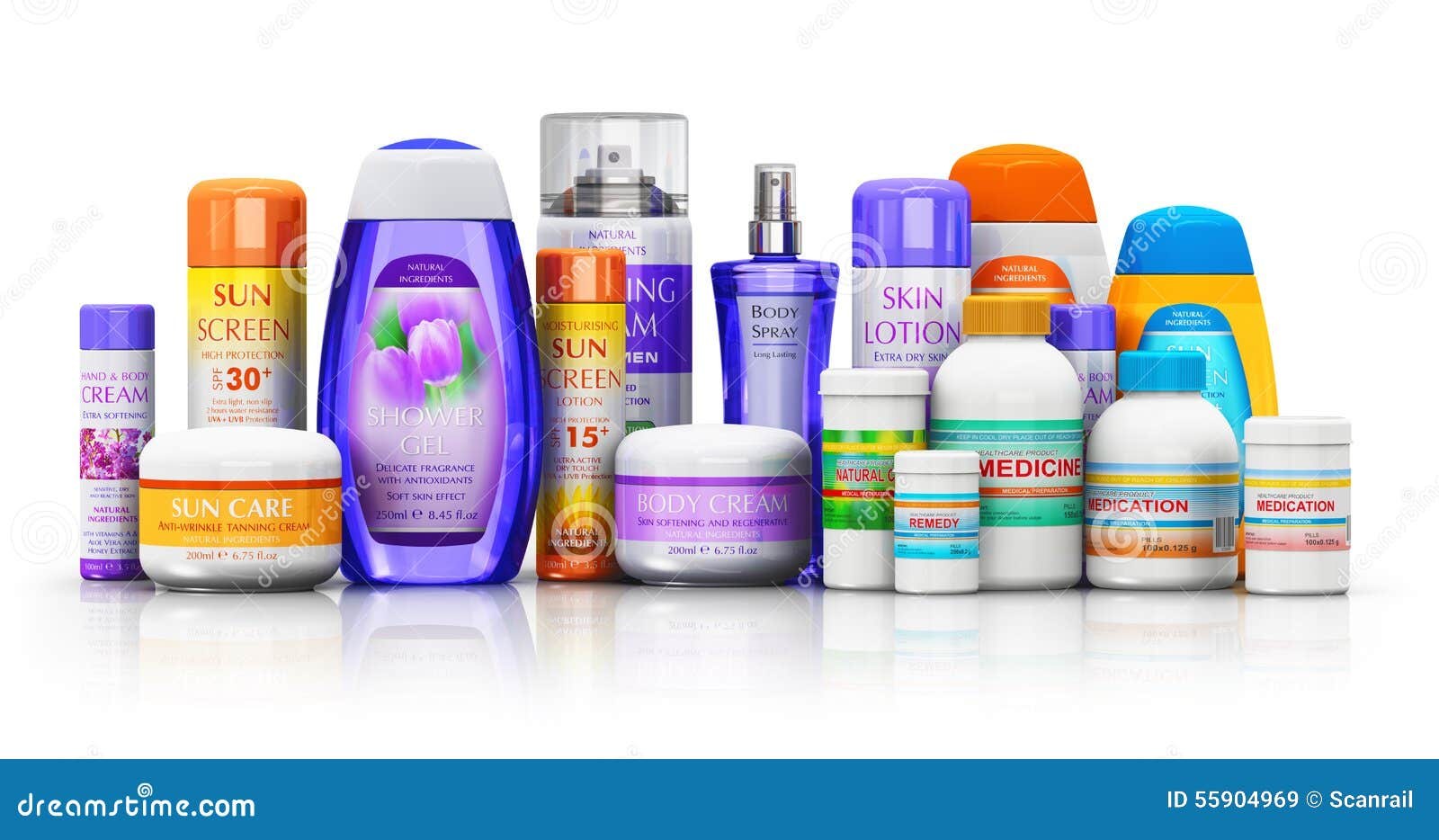
There is a massive difference between a wellness supplement and a pharmaceutical-grade medication, yet the packaging can look remarkably similar in a brightly lit drugstore aisle. You have to be careful. You have to be diligent. You have to read the fine print even when you are tired and just want to go home. This vigilance is part of the “unpaid labor” of being a patient or a caregiver.
When you’re shopping for supplies, you’re essentially looking for three things: quality, price, and availability.
| Factor | Physical Pharmacy | Online Specialist |
|---|---|---|
| Expert Advice | High (In-person) | Low (Chat/Email) |
| Speed | Instant | Variable (Shipping) |
| Product Variety | Limited to Stock | Very High |
| Price Comparison | Difficult | Easy |
Sometimes, the best way to manage your health is to stop looking for a single “perfect” way to do it. You have to accept that your health products will come from a dozen different places. Some will come from the guy down the street, some will arrive in a brown cardboard box on Tuesday, and some will be something you grab in a hurry because you realized you were running low at 11:00 PM.
It is a fragmented, sometimes messy way to live, but it is the way the world works now. You learn to use the tools at your disposal, whether that is a local pharmacist or a specialized manufacturer, to keep your life running smoothly.
You might be thinking, “Is it actually safe to order my most important medications through a random website I found while scrolling?” The answer is a firm no. You should never buy prescription-only medications from a site that doesn’t require a valid prescription from a doctor. If you want the convenience of the web, use it for the things that are safe, like vitamins, bandages, or blood pressure monitors, but always keep your core prescriptions in the hands of a licensed, verified professional. The convenience isn’t worth your life.
Common questions
What are pharmacy medications?
Pharmacy medications are drugs or therapeutic substances dispensed by a pharmacist to treat, prevent, or manage specific medical conditions.
Can I order medicine online?
Yes, you can order medicine online through licensed, accredited digital pharmacies that require a valid prescription for regulated drugs.
What is an example of a health product?
Examples of health products include vitamins, dietary supplements, topical ointments, and over-the-counter pain relievers.
What are the 7 stars of pharmacy?
The 7 stars of pharmacy represent the professional qualities of a pharmacist: care-giver, decision-maker, communicator, manager, life-long learner, teacher, and leader.
How can I ensure my online pharmacy is legitimate?
Verify that the website is licensed by the relevant national regulatory authority and look for physical address and contact information.

